







Your journey to parenthood starts withhope.
Warm, personalized fertility care led by Dr. Javaria Siraj. Whether you are just beginning to ask questions or ready to take the next step, we help you understand your options and move forward with clarity and confidence.
Free first questions
Message us anytime on WhatsApp
A calmer, clearer path through fertility care.
Fertility journeys can feel overwhelming. At Elysian, our aim is to make yours feel understood and supported — combining thoughtful medical care with genuine warmth.
We believe you deserve to understand what is happening at each stage, to feel heard, and to make decisions that are right for you. That belief shapes every consultation and every plan we make together.
Time to talk — unhurried consultations where your questions matter
Plans built around you, not a one-size-fits-all protocol
Honest, clear information at every step — no jargon, no pressure
Privacy and dignity respected throughout your care
Contact Us:
+92 325 3236141
Thoughtful care, built around you
The things that matter most when you are trusting someone with your hopes for a family.
Care for every stage of the journey
From understanding your fertility to assisted treatments — explore the areas we support. Every service is explained in plain language.
Fertility Assessment
Female Fertility
Male Fertility
Fertility Preservation
Understand treatments in a few taps
Select a treatment to see what it is, who it may help, and what the process looks like — in clear, calm language.
IVF — In Vitro Fertilization
A widely used treatment where eggs and sperm are brought together in a laboratory to help fertilization take place.
- What it is
In vitro fertilization (IVF) is a form of assisted reproductive technology (ART) in which eggs are collected from the ovaries and combined with sperm in a laboratory. If fertilization is successful, the resulting embryo may be transferred to the uterus with the aim of achieving pregnancy.
- Who it may help
- Blocked or damaged fallopian tubes
- Ovulation disorders or reduced ovarian reserve
- Male factor infertility (often combined with ICSI)
- Endometriosis that is affecting fertility
- How it works
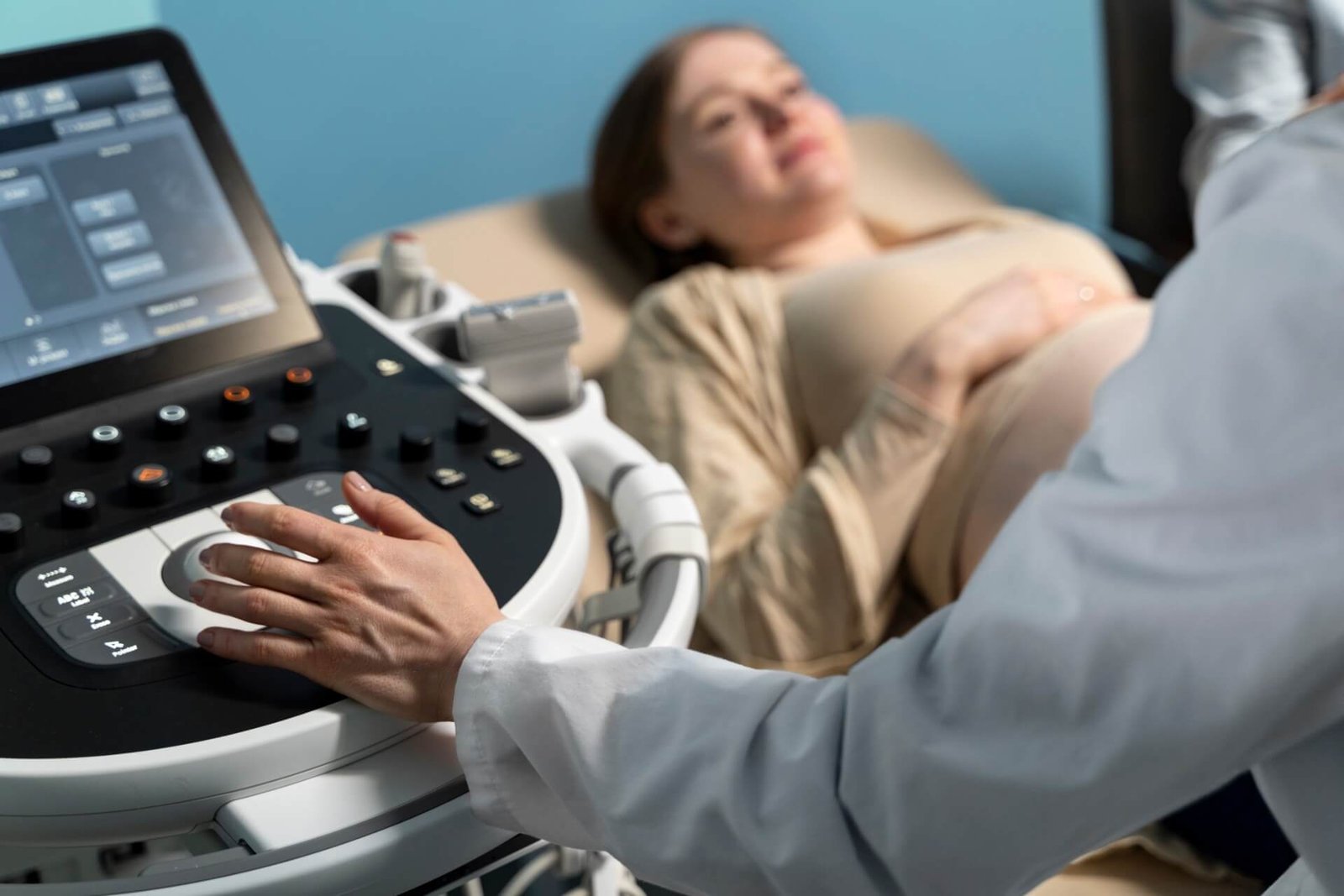
- An IVF cycle usually begins with medication to encourage the ovaries to develop several eggs. Progress is followed closely with ultrasound scans and, where needed, blood tests.
- When the eggs are ready, they are collected in a short procedure and combined with sperm in the laboratory. Any embryos that develop are monitored over several days, and a suitable embryo may then be transferred to the uterus. Additional good-quality embryos may be frozen for future use.
- This explorer is for general education only and is not medical advice or a diagnosis. A specialist can advise what is suitable for your circumstances.
IUI — Intrauterine Insemination
A less invasive treatment where specially prepared sperm is placed directly into the uterus around the time of ovulation.
- What it is
Intrauterine insemination (IUI) is a fertility treatment in which specially prepared sperm is placed directly into the uterus around the time of ovulation. By shortening the distance sperm must travel, IUI aims to improve the chance of sperm reaching the egg.
- Who it may help
- Mild male factor infertility
- Unexplained infertility
- Ovulation difficulties (often combined with ovulation induction)
- Certain cervical factors
- How it works
- An IUI cycle is timed carefully around ovulation. This may be a natural cycle or supported with medication, with monitoring to identify the best timing.
- On the day of the procedure, a prepared sample of sperm is placed into the uterus using a thin, soft catheter. The procedure itself is quick and usually causes little discomfort.
- This explorer is for general education only and is not medical advice or a diagnosis. A specialist can advise what is suitable for your circumstances.
ICSI — Intracytoplasmic Sperm Injection
A specialised IVF technique in which a single healthy sperm is injected directly into an egg to assist fertilization.
- What it is
Intracytoplasmic sperm injection (ICSI) is a specialised form of IVF in which a single healthy sperm is injected directly into an egg to help fertilization take place. The early steps mirror IVF; the difference lies in how fertilization is carried out in the laboratory.
- Who it may help
- Male factor infertility, such as low sperm count, movement, or shape
- Previous IVF cycles with low or no fertilization
- Where sperm has been surgically retrieved
- When only a small number of eggs or sperm are available
- How it works
- The stimulation, monitoring, and egg-retrieval steps are the same as in a standard IVF cycle.
- In the laboratory, an embryologist selects a single healthy sperm and injects it directly into each mature egg. Any embryos that develop are monitored, and a suitable embryo may then be transferred to the uterus.
- This explorer is for general education only and is not medical advice or a diagnosis. A specialist can advise what is suitable for your circumstances.
Fertility Assessment
A structured evaluation for you — and, where relevant, your partner — to understand your fertility and guide the next steps.
- What it is
A fertility assessment is a structured evaluation designed to build a clear picture of your fertility. It usually combines a detailed consultation with a set of investigations, and where relevant it considers both partners.
- Who it may help
- Couples or individuals who have been trying to conceive without success
- Irregular menstrual cycles or concerns about ovulation
- A known or suspected condition such as PCOS or endometriosis
- Anyone wishing to understand their fertility before planning ahead
- How it works
- Your assessment typically begins with a consultation to understand your history and goals, followed by relevant investigations.
- These may include hormone blood tests, an ultrasound to assess the ovaries and uterus, a semen analysis for the male partner, and, where indicated, an assessment of the fallopian tubes. Your results are then explained clearly so you understand what they mean.
- This explorer is for general education only and is not medical advice or a diagnosis. A specialist can advise what is suitable for your circumstances.
Female Fertility Evaluation
A thorough evaluation of the factors that can affect female fertility, with a clear, personalised plan.
- What it is
A female fertility evaluation looks at the different factors that can influence fertility — including ovulation, hormone balance, ovarian reserve, the fallopian tubes, and the uterus.
- Who it may help
- Difficulty conceiving over time
- Irregular or absent menstrual cycles
- A known or suspected condition affecting fertility
- Anyone wishing to understand their reproductive health
- How it works
- The evaluation combines a detailed history and examination with investigations chosen for your situation.
- These may include hormone blood tests, an ultrasound to assess the ovaries and uterus, and, where indicated, an assessment of the fallopian tubes. Findings are explained clearly and used to shape a personalised plan.
- This explorer is for general education only and is not medical advice or a diagnosis. A specialist can advise what is suitable for your circumstances.
Male Fertility Assessment
Evaluation of male factors — including semen analysis — that can affect a couple’s fertility.
- What it is
Male factors contribute to a significant proportion of fertility challenges, so assessing both partners gives the clearest overall picture. A male fertility assessment centres on a semen analysis alongside a review of history and general health.
- Who it may help
- Couples evaluating their fertility together
- A known or suspected male factor
- A previous semen analysis with unexpected results
- How it works
- The assessment begins with a discussion of history and general health, followed by a semen analysis that looks at the number, movement, and shape of sperm.
- Where indicated, hormone tests or further evaluation may be recommended, and results are explained clearly as part of the couple’s overall plan.
- This explorer is for general education only and is not medical advice or a diagnosis. A specialist can advise what is suitable for your circumstances.
PCOS & Fertility
Understanding and support for conception when polycystic ovary syndrome affects ovulation.
- What it is
Polycystic ovary syndrome (PCOS) is a common hormonal condition that can affect the menstrual cycle and ovulation. Because ovulation may be irregular, PCOS can make conceiving more challenging for some people.
- Who it may help
- A diagnosis of PCOS
- Irregular cycles or irregular ovulation
- Difficulty conceiving where PCOS is a factor
- How it works
- Care usually begins with an assessment to understand how PCOS is affecting your cycle, alongside general lifestyle support where relevant.
- Where needed, ovulation induction may be used to encourage ovulation, with treatments such as IUI or IVF considered depending on your individual situation.
- This explorer is for general education only and is not medical advice or a diagnosis. A specialist can advise what is suitable for your circumstances.
Endometriosis & Fertility
Understanding and support for conception when polycystic ovary syndrome affects ovulation.
- What it is
Endometriosis is a condition in which tissue similar to the lining of the uterus grows elsewhere in the body. For some people it can affect fertility, though its impact varies widely from one person to another.
- Who it may help
- A diagnosis of, or suspicion of, endometriosis
- Painful periods alongside difficulty conceiving
- Anyone wishing to understand how endometriosis may affect fertility
- How it works
- Care begins with an assessment to understand your symptoms and how endometriosis may be affecting your fertility.
- Depending on your situation, this may involve medical or surgical input, and assisted reproductive treatments such as IVF may be considered where appropriate.
- This explorer is for general education only and is not medical advice or a diagnosis. A specialist can advise what is suitable for your circumstances.
Caring for you, personally.
Dr. Javaria Siraj is a reproductive consultant & ivf specialist who believes fertility care should be as compassionate as it is careful — taking the time to listen, explain, and walk alongside you.
- MBBS, FCPS · Fellowship-trained in Obstetrics & Gynaecology · 10+ years' experience
What to expect, step by step
Every journey is personal, but knowing the shape of the path ahead can bring real reassurance. Here is how care typically unfolds.
First Consultation
Fertility Assessment
Understanding Your Results
Treatment Planning
Treatment & Monitoring
Fertilization / Embryology
Embryo Transfer
Follow-Up
However you arrive here — hopeful, anxious, or somewhere in between — you will be met with warmth, honesty, and care shaped around you. That is our promise, at every step.
Confidential
Judgment-free
Personalized
Supportive
Answers to help you feel prepared
A few of the questions we hear most often. You will find many more in our FAQ center.
What happens during the first fertility consultation?
Your first consultation focuses on understanding you. Dr. Javaria will discuss your history, menstrual cycle, general health, and what you hope to achieve, then explain which investigations, if any, may be a helpful next step. It is a relaxed, confidential conversation with plenty of time for your questions.
When should someone see a fertility specialist?
General guidance suggests seeking advice after around a year of trying to conceive — or sooner, for example after about six months, if you are over 35 or have a known condition that can affect fertility. If you are unsure, an initial consultation can help clarify your situation.
Do both partners need to attend?
Where relevant, it is helpful for both partners to be involved, as fertility is a shared picture and some investigations apply to each partner. That said, you are welcome to attend an initial consultation on your own if that is easier to begin with.
What is IVF?
IVF (in vitro fertilization) is a treatment in which eggs are collected from the ovaries and combined with sperm in a laboratory. If fertilization is successful, a resulting embryo may be transferred to the uterus with the aim of achieving pregnancy.
How does IVF work?
An IVF cycle usually involves medication to develop several eggs, monitoring with ultrasound, egg retrieval, fertilization in the laboratory, embryo development over several days, and finally an embryo transfer followed by a pregnancy test. Your specialist will tailor each step to your situation.
How long does IVF take?
A single IVF cycle typically takes several weeks from the start of medication to the pregnancy test. The exact timeline depends on your individual plan, which your specialist will explain.
Find us in Gulberg 2, Lahore
Central Office:
71 Main Boulevard, Block H Gulberg 2 Behind Zoro Burger, near Siddique Trade Center Lahore, Pakistan
Contact
0325 3236141
Schedule a Free Effective
Consultation